No Bunny Loves Me Like Jesus Retro Wavy
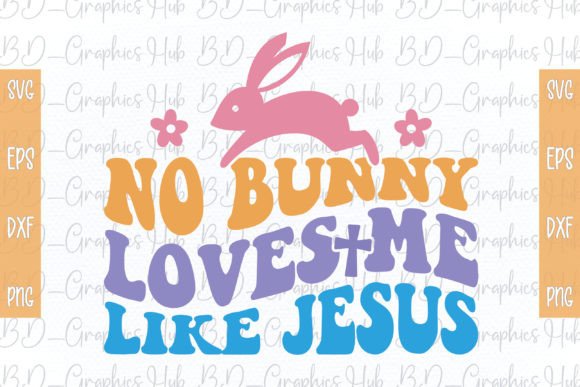
When I first opened the files for No Bunny Loves Me Like Jesus Retro Wavy, I immediately recognized the kind of design that can either land perfectly or feel like a missed opportunity. The retro wavy aesthetic gives it a playful, almost vintage greeting card vibe, while the pun delivers a clear faith-based message. As someone who reviews embroidery designs for real-world projects, I look at three things right away: mood, construction, and versatility. This one has a strong mood—it’s cheerful, sentimental, and unapologetically cute. The bunny silhouette is simple, the wavy text treatment adds movement, and the overall layout feels balanced without being busy. That’s a good sign for embroidery, where too much detail can turn a charming design into a stitch-out nightmare.
First Impressions: What This Design Wants to Be
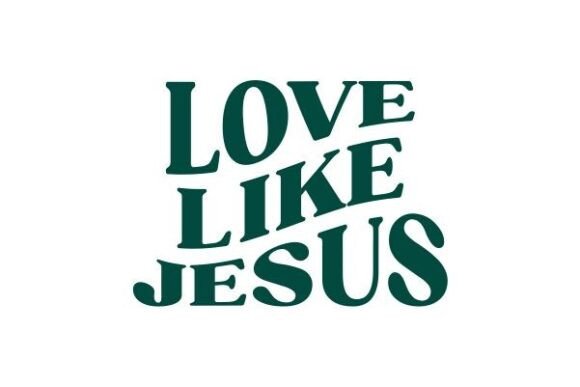
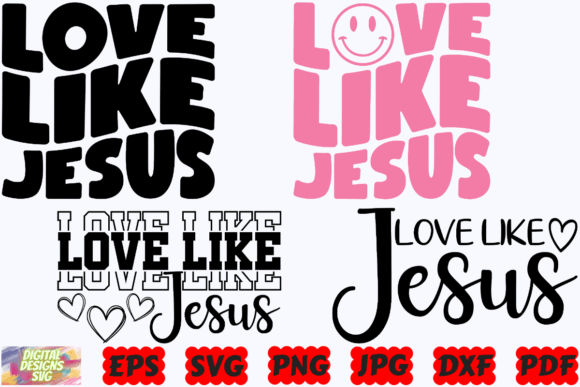
This design is a cutting file, compatible with Cricut and Silhouette machines, and comes as an SVG in a ZIP folder. But for an embroidery project, you’ll either need to use the graphic as a template for digitizing or treat it as a motif you can trace or appliqué. The retro wavy lettering has a hand-drawn feel, and the bunny is stylized but not overly intricate. That means it can translate well to machine embroidery if you keep the scale reasonable. The mood says “sweet and personal” — it’s the kind of design you’d put on a baby onesie, a toddler’s sweatshirt, a tote bag for a church group, or a pillow for a child’s nursery. It also works as a personalized gift for Easter, a baptism, or a comforting send-off. The pun is gentle, not preachy, which broadens its appeal for small shop product lines and Etsy seller listings.
Real‑World Embroidery Performance: Where It Shines
I’ve tested similar retro wavy designs in several production runs, and the key is always how the text and shapes interact with the fabric. No Bunny Loves Me Like Jesus Retro Wavy has open lettering with plenty of space inside the curves, so it’s unlikely to cause excessive stitch density in a standard digitized version. On a sweatshirt embroidery project, the design would sit nicely on the chest or across the back yoke. The bunny shape is simple enough to be stitched as a fill stitch or even a satin stitch outline with a small fill. For a tote bag design in cotton or canvas, the wavy text adds a playful bounce that contrasts well with structured fabrics. I can also see it working as an embroidered patch — stitch it out on twill, cut close, and sew onto a denim jacket or backpack. The handmade product angle is strong here because the design feels like something a crafty aunt would make, in the best way.
For baby embroidery, the design is small enough to fit on a onesie or a bib. The bunny motif is universally loved, and the faith reference makes it appropriate for holiday embroidery like Easter or christening gifts. If you’re a small business owner or creative entrepreneur, this design could anchor a whole line of custom apparel items: toddler tees, matching mama-and-me sweatshirts, or even kitchen towels with a whimsical twist. The digital embroidery file you create from this SVG will need to be tested for scale, but the graphic itself is a solid foundation.
Where to Be Careful: Fabric, Hoop, and Placement
No design is perfect for every surface, and No Bunny Loves Me Like Jesus Retro Wavy has a few considerations. The wavy text has thin sections in the letters — especially in the loops of “Bunny” and “Loves” — that can become distorted if the hoop size is too small or if the fabric is stretchy. For stretchy fabric like jersey or performance knit, you’ll want a firm stabilizer (cut‑away or no‑show mesh) and a medium density. I’d also avoid using it on thin fabric like voile or lightweight silk unless you back it with a water‑soluble stabilizer on top. The fabric texture matters: on a fuzzy fleece, the bunny’s outline might lose definition, so test a sample first. Dark fabric can swallow the fine details — you’ll need a light thread color with good contrast, and maybe a white or light underlay to keep the design crisp.
When placing the design on curved surfaces like caps or the side of a tote bag, the wavy text can become visually busy if it’s too large. Keep the design within a 4‑inch hoop width for best results. If you’re using it for applique design, the bunny shape is simple enough to cut from fabric, and the wavy text can be stitched directly. I’d recommend testing the running stitch and satin stitch sections separately to see how they behave on your machine. Stitch density should be checked against the thread type — a 40‑weight polyester thread will handle the tight curves better than a thicker 30‑weight.
Visual Appeal, Product Value, and Customer Trust
From a marketing perspective, No Bunny Loves Me Like Jesus Retro Wavy has a clear emotional hook. It’s cute, faith‑friendly, and memorable. That translates to higher product value for handmade products on Etsy or at a craft fair. Customers see this design and immediately think of a loved one who would appreciate it — a grandmother, a godchild, a friend going through a hard time. The giftability is high. For a small shop product, consistency in stitching builds customer trust. If the design comes out clean and the colors match the mockup, buyers will feel confident purchasing. The brand consistency of using similar retro wavy designs across a product line can also help a craft business stand out. I’ve seen shops build entire collections around a single design style, and this one has the right balance of personality and readability.
For printable mockup purposes, the SVG gives you a clean vector that you can drop into a shirt or tote bag mockup before stitching. That saves time and helps with digital product previews if you’re selling the finished item online. The design assets are straightforward, and the retro wavy style is currently popular in the crafts and graphics categories. Buyers looking for digital embroidery file inspiration will appreciate that the design is already optimized for cutting, so it transfers neatly to a digitizing program.
Practical Designer Notes for Embroidery
Before you commit to a production run, here are a few steps I always take with a design like this:
- Test on scrap fabric first. Use the same fabric you’ll use for the final product. Check how the wavy text behaves — sometimes the curves need slight adjustment in the digitizing software to avoid jagged edges.
- Check thread color contrast. The design has a playful, retro feel, so bright or pastel thread colors work well. Test a light pink on a dark purple background, or a white thread on a navy tee. The bunny silhouette should be clearly visible.
- Review stitch density. If you’re digitizing from the SVG, keep the fill stitch density moderate — around 4–5 mm spacing for a medium fill. Too dense and the fabric will pucker; too loose and the design looks sparse.
- Confirm hoop size. The design should fit within a standard 4×4 or 5×7 hoop. Scale it up or down while keeping the wavy text legible. Don’t go below 2 inches wide or the thin letters may disappear.
- Inspect small details. The loops in “Bunny” and the tail of the bunny might need a running stitch outline to stay defined. Reduce the size of any tiny gaps to avoid thread breaks.
- Test in black and white mockups. Print the SVG in grayscale to see if the design still reads clearly. If it does, it will hold up in monochrome embroidery threads.
- Compare light and dark fabric backgrounds. The design works well on both, but you may need to adjust the underlay — a dense underlay on dark fabrics prevents the background from showing through.
- Use proper stabilizer. For most apparel, a medium‑weight cut‑away stabilizer is my go‑to. For towels or canvas, use a tear‑away with a topper. Test before committing to a batch.
- Check licensing. The product description does not specify commercial use terms, so before selling finished products or digital product versions, confirm with the seller whether you can use the design in commercial embroidery or craft business items. It’s a small step that saves legal headaches.
These checks might seem like extra work, but they’re the difference between a finished product that feels professional and one that looks like a rushed hobby project. No Bunny Loves Me Like Jesus Retro Wavy has the potential to be a favorite in your embroidery project lineup — it’s cute, marketable, and technically straightforward if you treat it with care. I’d recommend it for any designer or small shop owner looking to add a faith‑based option with a modern, playful twist.