Jesus Christ Clip Art Cartoon SVG EPS Graphics & Illustrations
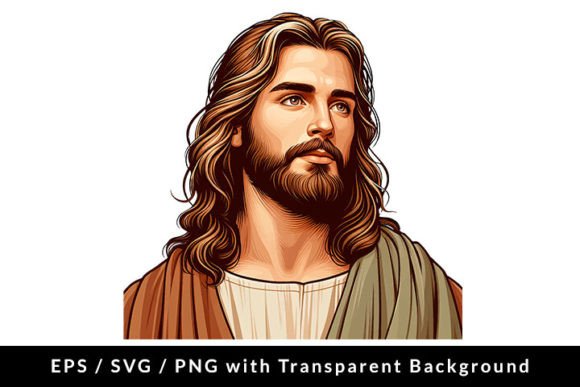
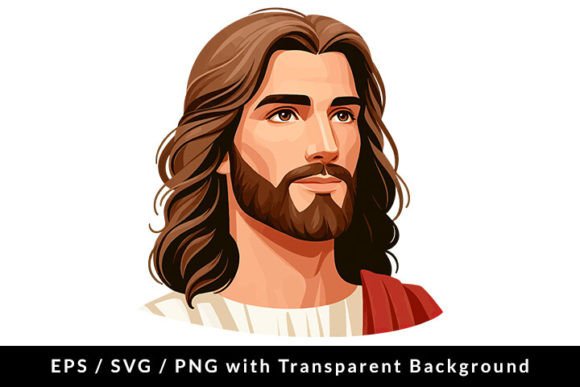
When I first opened the Jesus Christ Clip Art Cartoon SVG EPS asset, I was looking for a graphic design asset that could bring warmth and approachability to faith-based content without sacrificing professional polish. As someone who builds blog layouts, creates editorial graphics, and manages digital products for content websites, I have learned that the right illustration can make or break a reader’s first impression. This flat vector illustration immediately struck me as a versatile piece that balances modern simplicity with a gentle, inviting mood. It does not feel overly decorative or childish; instead, it lands in a clean, lifestyle-friendly space that works well for educational content, devotional materials, and even affiliate marketing visuals that need to feel trustworthy and accessible.
The Jesus Christ Clip Art Cartoon SVG EPS arrives as a ZIP file containing one EPS vector file, one SVG vector file, and one PNG with a transparent background at a high resolution of 5000 by 5000 pixels at 300 DPI. That resolution alone tells me the creator understands real publishing needs. Whether I am placing this illustration on a website header, scaling it for a printable PDF, or using it inside a Canva template, the file quality holds up without pixelation or loss of detail. The transparent background in the PNG also saves time during layout work, which is something every content creator appreciates when deadlines are tight.
From an editorial design perspective, this character illustration creates a specific mood: calm, clear, and approachable. It does not push a heavy artistic style that might clash with modern blog themes. Instead, it feels like a thoughtful asset for visual communication that needs to support text rather than compete with it. For bloggers and publishers who cover topics like faith, spirituality, personal development, or even holiday content, this graphic design asset can serve as a consistent visual anchor across multiple posts and pages.
How This Cartoon Illustration Supports Real Content Publishing Workflows
In my own publishing workflow, I often need to produce featured images, Pinterest pins, article headers, and social media graphics for a single piece of content. The Jesus Christ clip art cartoon character works well across all of those formats because of its flat vector style and clear silhouette. When I tested it as a blog featured image, the illustration held its own against bold headline text. The visual hierarchy remained strong, with the character drawing the eye without overwhelming the title. That is a critical quality for click-through potential, especially on social media where thumbnails and pins compete for attention.
I also used this asset inside a digital guide designed as a lead magnet for a faith-based website. The illustration appeared on the cover and as a small accent inside the document. Because the PNG offers a transparent background, I could layer it over colored sections without ugly white boxes. The result was a professional-looking downloadable resource that felt cohesive and branded. For content marketers and affiliate marketers who produce ebooks, worksheets, or printable planners, this kind of versatility is invaluable.
When I moved the asset into a newsletter header, the clean lines of the flat vector illustration translated well to email clients. The image did not look heavy or cluttered, and it loaded quickly after I compressed it properly. That is a reminder I always give to other publishers: always check file size for web performance. Even though the original resolution is high, you can scale down and compress the PNG for email use without losing the visual clarity that makes this illustration effective.
Where Jesus Christ Clip Art Cartoon SVG EPS Shines in Editorial Design
Based on my testing across several content projects, I found that this graphic design asset performs best in a few specific scenarios. First, it works beautifully as a hero image for blog posts that introduce a topic or set a reflective tone. The character’s expression and posture feel welcoming, which helps build reader trust right from the top of the page. Second, it is excellent for category thumbnails on websites that organize content around themes like Bible study, prayer, or personal growth. The illustration acts as a visual cue that helps readers quickly recognize the category they want to explore.
I also used it in a Pinterest pin template, and the results were encouraging. The flat style paired well with overlaid text, and the bright, clean background kept the pin from looking busy. For bloggers who rely on Pinterest as a traffic source, having a reliable illustration that works in square and vertical formats is a practical advantage. Additionally, I tested the SVG file inside a Canva template for social media graphics. The vector format allowed me to resize the character without any quality loss, and I could change colors to match a specific brand identity. That flexibility is something I look for in any commercial design asset, especially when managing multiple client projects.
For newsletter creators and digital publishers, this illustration can also serve as a consistent brand element across email campaigns. Placing the character in the header or as a small accent beside a call-to-action button adds a human touch that text-only designs often lack. In my experience, that small visual cue can improve engagement rates because readers feel a connection to the content before they even start reading.
When to Use This Asset with Care in Your Publishing Projects
No graphic design asset works perfectly in every context, and I always advise fellow content creators to test illustrations in their actual layouts before committing. The Jesus Christ Clip Art Cartoon SVG EPS has a clean, modern look, but it may not suit every visual environment. For example, on small mobile thumbnails, the character’s details can become less readable if the image is scaled down too aggressively. I recommend previewing it at thumbnail size on a phone screen to see if the silhouette still communicates clearly. If the illustration becomes too small to recognize, it may be better to use it only in larger placements like blog headers or social media posts.
I also noticed that this asset works best on backgrounds with good contrast. Placing it over a busy or low-contrast background can cause the character to blend in and lose its impact. For websites that use textured or photographic backgrounds, you may need to add a subtle shadow or outline to maintain visual hierarchy. Additionally, if your content leans toward a very serious or corporate tone, the cartoon style might feel too casual. In those cases, I would suggest using the illustration only for specific sections like a welcome page or a downloadable guide, rather than as the primary visual for every post.
Another practical consideration is font pairing. When I tested this illustration beside different typefaces, I found that it paired well with clean sans serif fonts and modern display fonts. It also worked nicely with handwritten fonts for a more personal, devotional feel. However, when I placed it beside a heavy serif font in a dense layout, the overall look felt slightly unbalanced. For best results, I recommend testing the illustration with your headline and body text before finalizing a design. Small adjustments in spacing, color, and font choice can make a big difference in how polished the final page appears.
Practical Publisher Notes for Using This Graphic Design Asset
Before you add this illustration to your content marketing workflow, I want to share a few practical notes based on my own testing. First, always review the commercial license included with the digital download. If you are using the asset on a monetized website, an affiliate page, or inside a paid product, you need to confirm that the license covers those uses. Most assets from reputable creative marketplaces do, but it is always better to verify than to assume.
Second, test the illustration on both desktop and mobile screens. Open a real blog layout, place the asset where you intend to use it, and view it on a phone, tablet, and laptop. Look for issues like cropping, scaling, or color shifts that could affect how the character reads. I also recommend previewing the image in black and white to see if the contrast holds up for readers who may have visual impairments or who use grayscale displays.
Third, pay attention to file size and web performance. The high-resolution PNG at 5000 by 5000 pixels is excellent for print or large displays, but for web use you should compress the image to a reasonable size. Tools like TinyPNG or image compression plugins can reduce the file without noticeable quality loss. For the SVG and EPS files, you can adjust the output resolution when exporting to PNG or JPEG for specific use cases. Keeping file sizes small helps your pages load faster, which benefits both user experience and SEO.
Finally, I suggest creating a small set of variations for your most common formats. For example, you could prepare a version for Pinterest pins, a version for blog featured images, and a version for newsletter headers. Having these ready in your design assets folder saves time and ensures consistency across your content. This kind of preparation is especially useful for small business owners and creative entrepreneurs who manage multiple content channels with limited resources.
Overall, the Jesus Christ Clip Art Cartoon SVG EPS is a solid addition to any content creator’s toolkit. It offers the flexibility of vector formats, the convenience of a high-resolution PNG, and a visual style that supports clear communication and reader trust. Whether you are building a blog, creating digital products, or designing social media visuals for a faith-based audience, this illustration can help you present your content in a way that feels both professional and inviting.