Christian Design SVG: A Hands-On Embroidery Review
When I’m preparing a custom order, especially for a client seeking a meaningful gift or a branded piece for their church group, the design asset makes or breaks the project. I recently got my hands on the Christian Design SVG by Sarotiart, and I want to share my honest, practical take on how it performs when you move from the digital file to the sewing machine needle. This isn’t just a quick look at a pretty picture; it’s a deep dive into whether this design holds up under real stitching conditions for your small shop or next handmade product.
First Impressions and Visual Personality
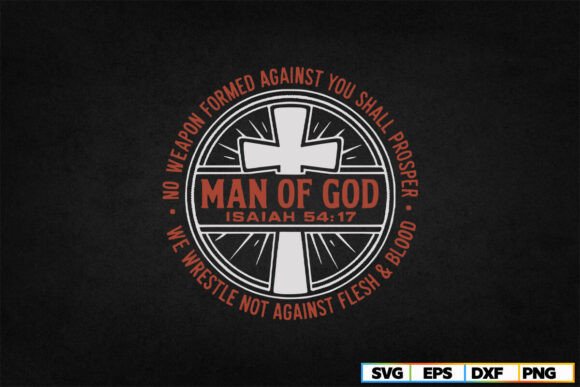
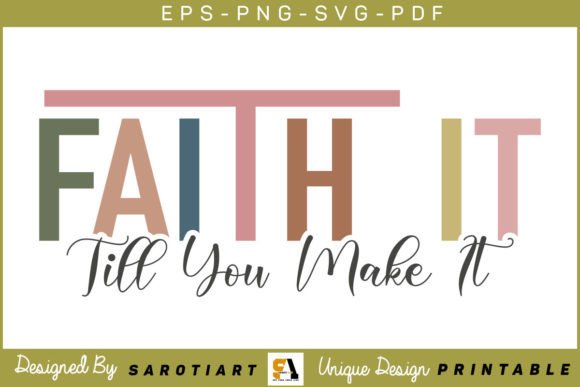
Unboxing the digital files, you get a clean, well-structured SVG, EPS, PDF, and a high-res PNG sized at 15x18 inches. That’s a substantial canvas. The Christian theme is immediately apparent—it’s designed to inspire and comfort. The vector format is a huge plus for us in the Crafts and Graphics space. It means the lines are mathematically sharp, ready for scaling, and perfect for conversion into a machine embroidery design. The mood is reverent yet accessible, making it suitable for everything from a baby onesie to a memorial piece. The layout feels balanced, which gives me confidence that it will digitize well without excessive manual editing.
Real-World Performance: From Graphics to Garment
Let’s talk about a real project. I decided to use the Christian Design SVG to create a custom embroidered tote bag for a local church fundraiser. I imported the SVG into my digitizing software. Because the original graphic is well-constructed, the auto-digitize function captured the shapes accurately, requiring minimal manual editing for the satin stitch paths. The 15x18 inch original size gave me plenty of flexibility to scale it down to fit a standard 5x7 hoop for the tote bag’s front pocket.
The result? A crisp, professional embroidery project. The fill stitch areas were well-defined, and the satin stitch borders had a smooth, polished edge. It elevated the simple tote bag from a basic craft item to a boutique-quality handmade product. For an Etsy seller, this is exactly the kind of design asset that builds customer trust and justifies a premium price. I can easily see this same embroidery file working beautifully on:
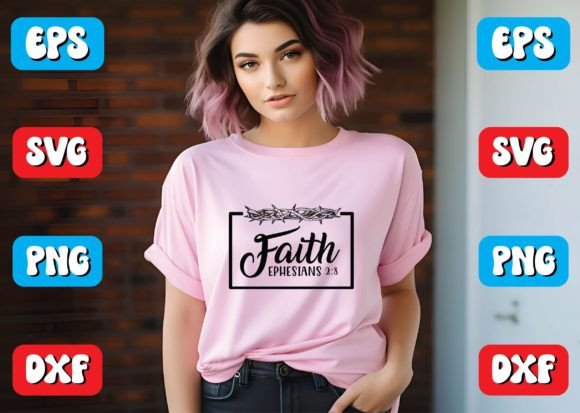
- Custom Apparel: Sweatshirts, hoodies, and t-shirts for church groups or faith-based events.
- Home Decor: Pillow covers, tea towels, and nursery decor. A stitched cross on a linen pillow sells for a strong margin.
- Personalized Gifts: Baptism gifts, Christmas presents, or wedding gifts. The emotional resonance of a Christian design adds immense value to a finished product.
- Embroidered Patches: The clean outlines of the SVG make it excellent for creating patch borders that stitch out cleanly.
Where Caution Is Needed Before You Stitch
No design is perfect for every situation, and being transparent about this is what separates a good designer from a great one. The Christian Design SVG, while clean, has details that demand respect. Here is where you need to be careful:
Hoop Size and Scaling Limitations
Unless you have a commercial multi-needle machine, you won’t be hooping the full 15x18 inches. You’ll need to scale it down. When you scale down, small details or thin strokes in the original vector might become too narrow for a stable satin stitch. Always test the stitch out on scrap fabric first. Check if the inner elements of the design remain readable at your target hoop size. A 4x4 hoop may only capture a portion of the design, so plan your layout carefully.
Fabric Texture and Stabilizer Demands
This design works beautifully on woven cotton, denim, and fleece. But on stretchy fabrics like jersey or ribbed knit, you’ll need a strong cutaway stabilizer. The last thing you want on a custom apparel piece is a distorted cross or puckered lettering. For a tote bag design, I used a medium-weight cutaway stabilizer and it held the stitches perfectly. If you are working with dark fabrics, ensure your thread color has enough contrast and that the design uses a dense enough fill to prevent the background from showing through.
Density Management During Digitizing
Remember, the SVG is a graphic, not a native embroidery file. You must digitize it into a machine embroidery design. During digitizing, pay close attention to stitch density. Too dense and the fabric will pucker. Too light and you’ll see gaps. Because the original graphic is clean, you have a good foundation, but the software settings are your responsibility. I recommend using a combination of satin stitch for the outer edges and a tatami or fill stitch for the larger interior sections.
Impact on Product Value and Customer Trust
For small shop owners and creative entrepreneurs, the Christian Design SVG is a versatile asset. It’s not just an embroidery project; it’s a building block for your entire business. You can use the provided PNG for printable mockups on your Etsy seller listings, which saves you from having to sew a sample just to photograph it. The clean, professional look of the finished stitchout directly translates to higher perceived value. Customers buying faith-based goods are often looking for a meaningful, lasting gift. A well-stitched piece using this design tells them you care about quality. It builds trust and encourages repeat business for your craft business.
Practical Designer Notes and Workflow Checklist
Before you start selling finished products or sewing that next commissioned order, run through this quick checklist based on my experience with this design:
- Convert and Digitize Properly: The SVG is a vector graphic. It is not a machine-ready .DST or .PES file. You must use embroidery software like Hatch, Wilcom, or Embrilliance to convert it into a machine embroidery design. Adjust stitch density, underlay, and pull compensation to match your fabric.
- Test Stitch on Identical Fabric: Never skip this. Stitch the design on a scrap piece of fabric identical to your final product. Check for gaps, puckering, or broken threads. Evaluate the thread color contrast. Gold on white is classic, but navy on light grey can be stunning.
- Confirm Licensing Terms: The provided files (EPS, SVG, PDF, PNG) are for Graphics and Crafts. Confirm with Sarotiart whether the specific license covers commercial use of the finished embroidered product. Most designers allow it, but always respect the terms of use before selling your handmade items.
- Inspect Small Details: Look at the smallest elements of the design. If you scale down to fit a cap or a baby onesie, will those details hold up? If not, consider simplifying the design or using a larger hoop size.
- Use Proper Stabilizer: For a tote bag or sweatshirt, use a medium-weight cutaway stabilizer. For lightweight shirts, consider a tear-away with a sticky topping to prevent the nap from distorting the stitches.
- Check Your Hooping: Ensure the fabric is hooped firmly without distortion. The Christian Design SVG has clean lines, but bad hooping will ruin the alignment and cause registration issues between the satin and fill stitches.
Final Verdict on the Design Assets
The Christian Design SVG by Sarotiart is a solid, well-crafted piece of digital art. It bridges the gap between a simple graphic and a professional embroidery project. It’s not a magic wand—you still need the skills to digitize, stabilize, and stitch. But as a foundation for custom apparel, handmade gifts, or boutique merchandise, it’s a reliable choice that will resonate with your customers. Whether you’re making a personalized gift for a baptism or a bulk order for a church picnic, this design holds its own. Add it to your digital toolbox, but always remember: the final stitch quality is in your hands. Treat it with the same care you would any high-quality digital embroidery file, and your finished products will stand out in the marketplace.